
What “Premium” Really Means in Dental Microscopy
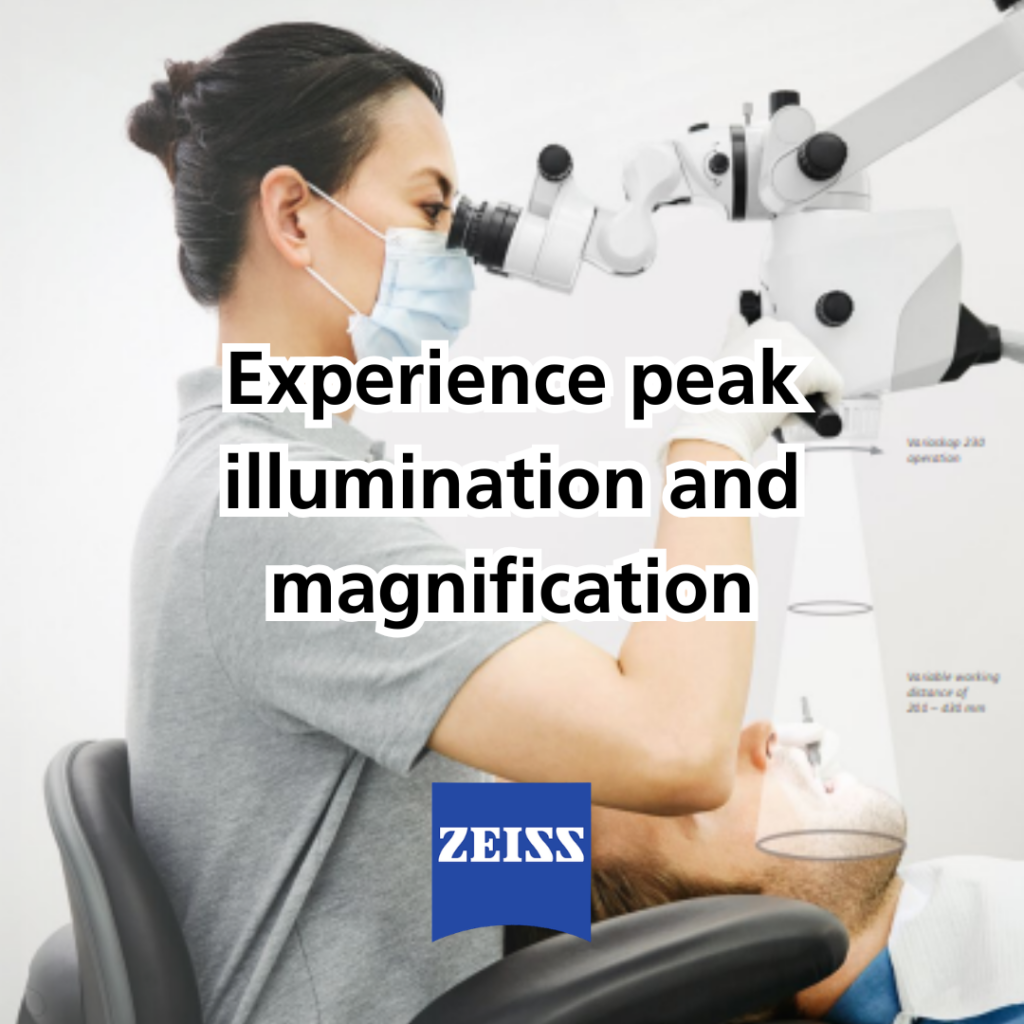
When clinicians start looking into dental microscopes, a common myth tends to float around: that choosing top-tier optics means breaking the bank, or that entry-level systems force you to compromise on quality.
Sometimes, the word “premium” gets thrown around as a buzzword, and honestly, it can feel a bit intimidating. It evokes images of luxury price tags that belong in a boardroom rather than a modern dental practice. But let’s look at how optical engineering actually works, and why the reality is much more flexible, practical, and accessible than people think.
1. The Core Optical Standard Doesn’t Change
The foundational quality of a microscope — its glass, its clarity, and its ability to reveal micro-structures — isn’t something manufacturers compromise on based on price tier. Whether you are looking at an entry-level system like Zeiss Opmi Pico designed to bring advanced dentistry within reach, or a multi-modal powerhouse like the EXTARO 300, the commitment to crystal-clear apochromatic visualisation remains constant. You aren’t buying “lesser quality” just because you choose a different model; you are choosing a configuration tailored to your specific workflow.
2. Modularity. You Should Only Pay For What You Use
In dentistry, no two practices are identical. A general practitioner focusing on restorative workflows has very different daily needs than an endodontist or a surgical specialist.
This is where modularity changes everything. Instead of an all-or-nothing, one-size-fits-all price tag, modern microscope design allows you to select packages — such as Essential, Classic Plus, or Premium Dental configurations — that match your actual clinical requirements. You don’t need to fund features you won’t use. That means advanced magnification and ergonomic support are far more budget-friendly than the market myths suggest.
3. True Value is Measured in Chair Time and Ergonomics
When evaluating the investment in a microscope, the sticker price is only part of the story. True value shows up in everyday practice:
Ergonomic Posture: features like inclinable binoculars or MORA interfaces prevent neck and back strain, protecting your career longevity.
Workflow Efficiency: integrated lighting innovations (like TrueLight or NoGlare modes) save minutes on every procedure by preventing premature composite curing or cutting out glare.
Patient Communication: integrated HD cameras and apps like ZEISS Connect turn clinical findings into clear visual education, helping patients understand and value your treatment plans.
The Bottom Line
Investing in a microscope shouldn’t feel like an exclusive club. It’s a practical tool designed to elevate your clinical confidence, protect your physical health, and set your practice apart through sheer precision.
If you’ve ever hesitated because you assumed top-tier optics were out of reach, it’s worth taking a fresh look at the actual options available. Precision is for every practice — it’s simply about finding the right fit for yours.
November 16, 2026